Guardians of Nature: How the IUCN Red List Helps Us Protect Our Planet's Biodiversity
When we think about the intricate web of life that surrounds us, it’s hard not to feel a mix of awe and responsibility. Every creature, every plant, no matter how small, plays a vital role in maintaining the balance of our ecosystems. The IUCN Red List serves as a crucial tool in understanding this balance - it's not just a list, but a global pact for biodiversity protection. But what does this mean for our planet's biodiversity and our role in conservation? Let's dive deep into how the International Union for Conservation of Nature (IUCN) is at the forefront of ecological balance, advocating for targeted efforts in habitat protection and species survival.
To put it simply, the IUCN Red List catalogues the world’s threatened species, acting as a barometer for biodiversity conservation. It highlights our endangered flora and fauna, creating a sense of urgency around species protection and habitat restoration. Think about it: if the data shows that an entire species is teetering on the brink of extinction, it prompts action, right? This worldwide call to action isn’t just a number crunching exercise; it’s a story of hope and resilience. Can you imagine a world without orangutans swinging in the trees or vibrant coral reefs teeming with life? The IUCN Red List is there to ensure we don’t have to.
One of my favorite quotes that encapsulates the essence of the IUCN Red List comes from Sir David Attenborough: "The truth is: the natural world is changing and we are totally dependent on that world. It's the most precious thing we have and we need to work together to protect it." This collective responsibility is what the Red List embodies. With detailed ecological assessments and species monitoring, it guides conservation biology efforts and ensures that endangered species receive the critical attention they deserve. It’s like a dynamic map of our planet’s health; by carefully observing and acting on the data, we can foster sustainable ecosystems.
Each entry in the IUCN Red List tells a story—a narrative about our planet’s diverse life and the threats they face. The list incorporates a variety of statuses: from Least Concern to Critically Endangered. What’s particularly compelling, though, is how it categorizes the threats: from climate change impacts affecting species climate resilience to habitat destruction jeopardizing wildlife habitats. How can we, as everyday individuals, be part of this grand narrative? Simple actions like supporting marine conservation initiatives or participating in local biodiversity enhancement projects can make a profound difference.
To wrap up, the IUCN Red List isn’t just about documenting loss; it's a beacon of hope and action. By engaging in wildlife conservation projects, advocating for environmental sustainability, and promoting natural resource management, we can all play a part. Remember, it’s not only about saving a species today but ensuring our ecosystems thrive for generations to come. So, what will you do to contribute to this global pact for biodiversity and ecosystem protection? The choice is yours, and the impact can be monumental.
From Endangered Species to Thriving Habitats: The IUCN's Role in Wildlife Conservation
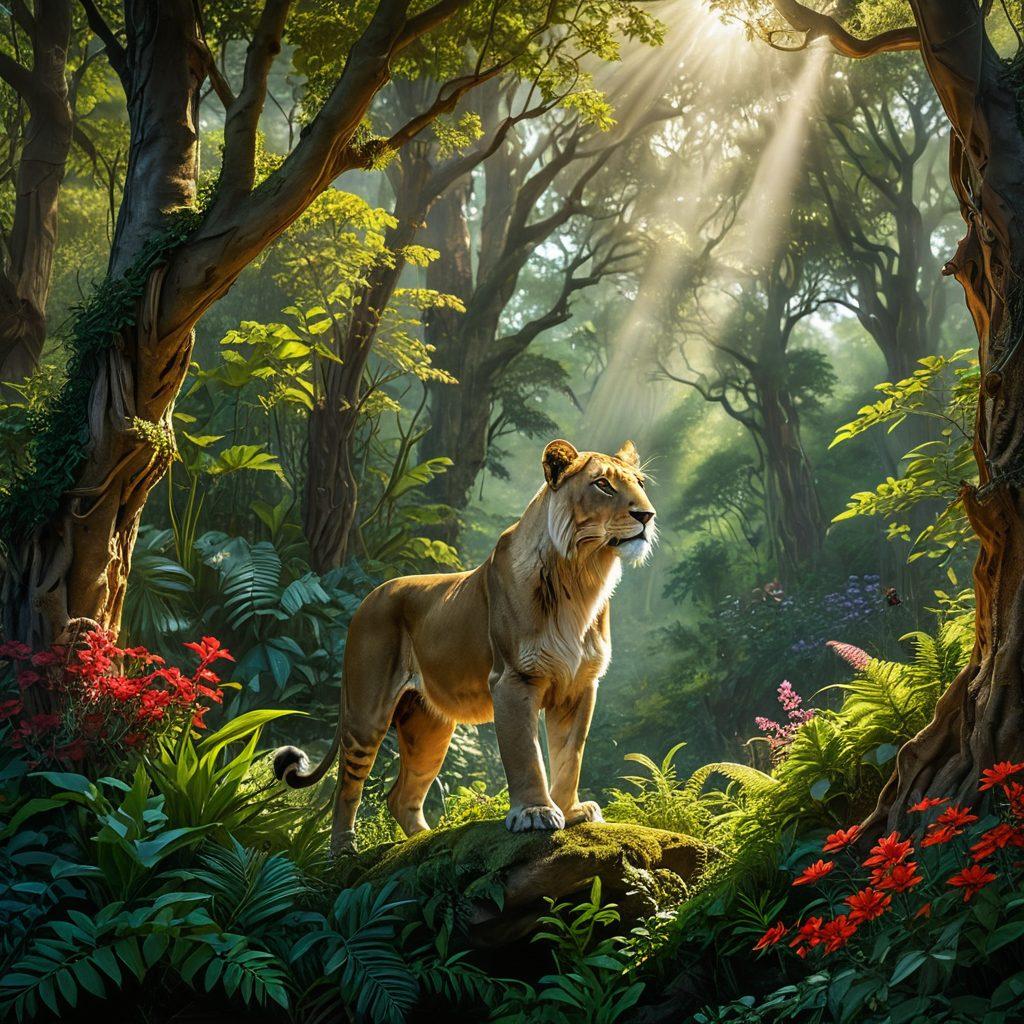
Imagine walking through a lush forest, vibrant with the sounds of nature—the gentle rustling of leaves, the sweet melodies of birds, and the chorus of life that surrounds you. This scenery is precisely what the IUCN Red List strives to protect. Established by the International Union for Conservation of Nature (IUCN), the Red List serves as a vital tool in highlighting the plight of our planet's threatened species and fostering biodiversity conservation, a crucial aspect necessary for a balanced ecosystem and a sustainable future.
Every single species on this planet plays an irreplaceable role in maintaining ecological balance. However, as the threats of habitat destruction, climate change, and pollution loom large, many of these species teeter on the edge of extinction. The IUCN Red List categorizes species into various degrees of vulnerability—from 'Least Concern' to 'Critically Endangered.' It raises an essential question for all of us: how can we contribute to the survival of these endangered flora and fauna?
Take a moment to think about the impact of losing just one species. Did you know that the extinction of even a single species can trigger a domino effect throughout its ecosystem? This interconnectivity is why species protection and habitat protection are vital. The intricate webs of nature thrive on diversity, and each loss diminishes the strength of ecosystems. Through the careful monitoring and assessment practices outlined by the IUCN, wildlife conservation efforts are made robust, aiding in the restoration of habitats. What can we do from our end to enhance biodiversity?
One promising initiative is the development of wildlife refuges. These sanctuaries provide crucial environments for endangered species to thrive again. Rather than being passive observers of nature, we have the opportunity to be active participants in conservation biology. As advocates for environmental sustainability, we can support policies aimed at natural resource management, habitat restoration, and ecological assessments. Could our communities spearhead local conservation campaigns?
As individuals, we can also take small, meaningful actions in our daily lives. Supporting ocean conservation and terrestrial biodiversity ensures that marine and terrestrial wildlife habitats remain safeguarded for future generations. From reducing plastic waste to planting native species in backyards, our choices create ripples that foster species climate resilience and ecological restoration. Remember the wise words of David Attenborough: 'The truth is: the natural world is changing and we are totally dependent on that world. It provides our food, water, and air. It is the most precious thing we have and we need to work together to protect it.' Together, we can transform our relationship with nature and build a legacy of thriving habitats for all species.
Empowering Conservation Efforts: How the IUCN Red List Shapes Our Approach to Environmental Sustainability
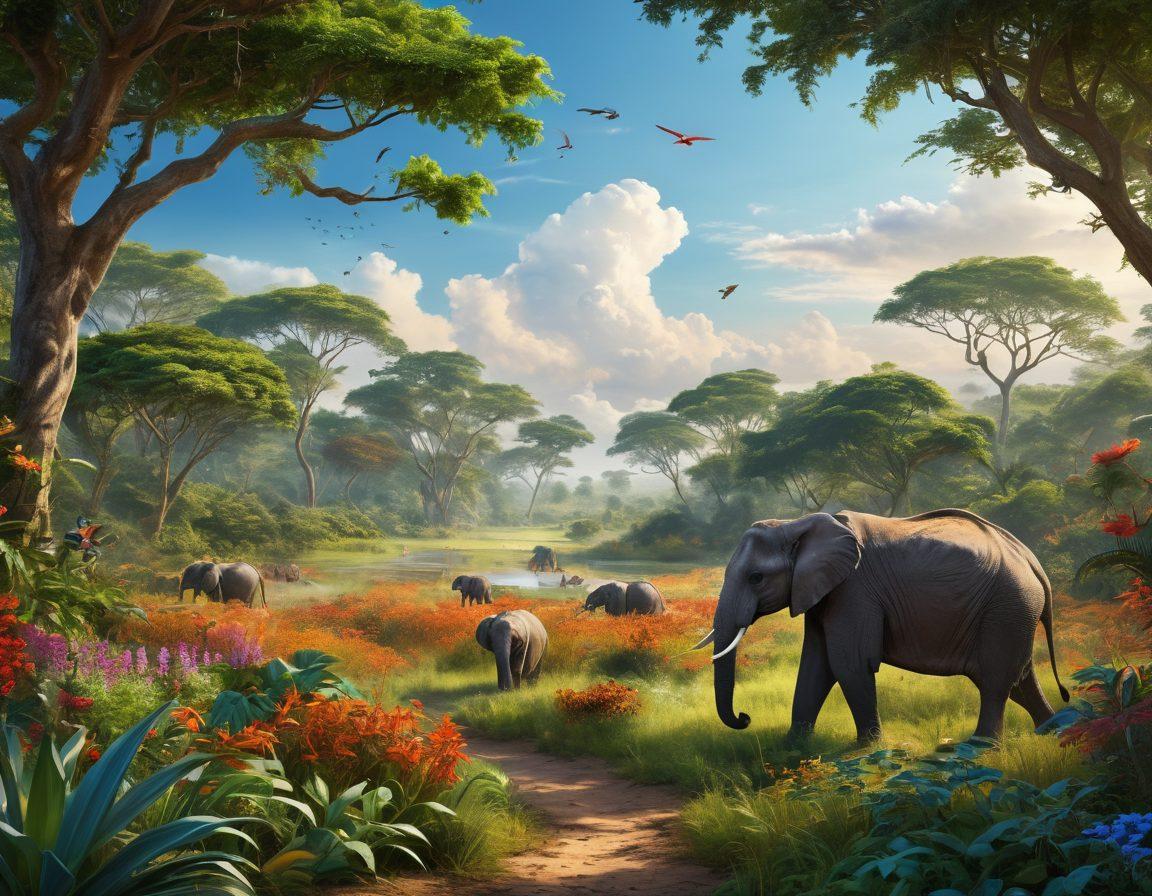
Imagine a world where the symphony of nature's songs grows quieter, where the vibrant hues of wildlife begin to fade, and where the very fabric of ecological balance is threatened. This isn't just a dystopian vision; it's the stark reality our planet faces without proactive interventions. Enter the IUCN Red List, a pivotal tool developed by the International Union for Conservation of Nature that spearheads global efforts in biodiversity conservation. Its mission? To provide a comprehensive assessment of the world's threatened species and to guide our collective efforts in species protection and wildlife conservation. But how does this formidable list empower individuals and organizations alike towards environmental sustainability?
The IUCN Red List serves as the 'who’s who' of the planet’s endangered flora and fauna. It's more than just a list; it's a critical ecological assessment that highlights species in peril, outlines their survival prospects, and informs stakeholders about which habitats require urgent protection. For instance, when a species is classified as 'critically endangered', it's a call to action: to rally around habitat protection and restoration initiatives aimed at enhancing biodiversity and supporting sustainable ecosystems. A poignant reminder of this necessity comes from the ecologist David Attenborough, who said, "The future of humanity and our planet lies in our ability to collaborate and find new sustainable pathways to coexist with the natural world." So, how can we as individuals contribute to this cause?
For everyday people, understanding the implications of the IUCN Red List is an essential stepping stone towards meaningful involvement in conservation efforts. Whether it’s advocating for marine conservation, engaging in local habitat restoration projects, or simply utilizing products that support biodiversity enhancement, each action counts. By aligning your lifestyle choices with the tenets of environmental conservation, you directly contribute to strengthening species climate resilience and promoting ecological balance. Think about it: How many choices do you make every day that affect wildlife habitats? The ripple effect of each decision can either nourish or deplete the ecosystems we depend on.
Moreover, the IUCN Red List doesn’t just identify threatened species; it illuminates the challenges they face—ranging from habitat destruction to climate change. This wealth of information is invaluable to governments, conservation biologists, and NGOs as they formulate strategies for natural resource management and prioritize wildlife refuges. The list informs policy-making, fundraising efforts, and even educational initiatives aimed at spreading awareness about biodiversity conservation. In a world inundated with alarming statistics, one might wonder, how can we effectively educate ourselves and others on the importance of these efforts?
In a community setting, fostering conversations about the IUCN Red List can catalyze action and empathy towards our planet's diverse inhabitants. Conduct discussions in schools, organize workshops with conservation groups, or even create online platforms to share knowledge! Each of us is a vital thread in the tapestry of conservation, whether we’re leading a local cleanup or lobbying for stronger habitat protection laws. Therefore, as we champion the cause of wildlife conservation, let’s do it with the full awareness that our choices shape the legacy we leave for future generations. Together, let’s rise as guardians of nature, empowered by the insights garnered from the IUCN Red List, forging a path towards a more sustainable world.